SAD NEWS: After his daily training session, striker Benjamin Sesko went BACK TO HIS ROOM to rest. However, just a few hours later, the young player's family immediately received the bad news that he had...

In a development that has shocked the world of football, Slovenian forward Benjamin Šeško has tragically died, mere hours after completing his regular training session. The 20-year-old striker, widely regarded as one of the most promising talents in European football, reportedly returned to his room later that day to rest—and a few hours afterward, his family received the devastating news.
The suddenness of the event has left teammates, coaches, fans, and his home country stunned. The circumstances remain under investigation, with medical authorities and club officials promising a thorough inquiry. This article provides a detailed account of the available facts, background on Šeško’s career, reactions to his passing, and ongoing questions surrounding his death.
The Day in Question

Šeško’s last known public appearance came during the morning’s training session at his club’s facility. Teammates recall him participating fully in drills, sprints, and tactical exercises, showing no obvious sign of distress or injury. After the session concluded, he left the pitch normally and proceeded to his personal quarters in the team accommodation to rest—something he routinely did following training.
According to club insiders, nothing initially seemed out of the ordinary. He was seen heading off at his usual time, without complaints of fatigue or pain. A few hours later, however, the atmosphere changed when the club medical staff and security personnel became aware that Šeško had not emerged or responded as expected. Concerned, they attempted to check on him.
It was at that moment that the young striker’s family—contacted by club officials—received the terrible message that he had passed away. While initial reports do not confirm exactly when or how he died, sources indicate that medical personnel found him unresponsive and efforts to resuscitate him were unsuccessful.
Medical Investigation Underway
Cardiologists note that although rare, sudden cardiac events do occasionally afflict young athletes—with causes ranging from congenital heart abnormalities to undetected arrhythmias or structural heart defects. Many national associations now require cardiac screening for professional players, but even these protocols are not foolproof.


The medical examiner’s office expects preliminary findings within days, with a full report to follow. In the meantime, authorities are examining nutritional, training, and medical records to detect any irregularities or warning signs.
Šeško’s Background and Rise
Born in 2003 in Murska Sobota, Slovenia, Benjamin Šeško first drew attention as a teenager with exceptional athleticism, technical skill, and uncanny goal-scoring ability. He progressed through Slovenian youth systems before making his mark in domestic competition.
At 16, he made headlines for scoring with impressive poise against older defenders. By 18, he had attracted interest from top European clubs and eventually signed for Red Bull Salzburg, where he further honed his craft in their academy and feeder teams. In a short span, he earned promotion to the senior squad, making appearances in both domestic league play and continental tournaments.
Šeško’s style combined physical strength, height, and intelligence: he often posed a threatening aerial presence while also showing composure and movement in open play. He was seen as a potential successor to established stars, capable of developing into a top-tier goal scorer.
In conversations with coaches and teammates, Šeško was frequently praised not only for his talent, but also for his professionalism and dedication. He was reportedly careful about diet, fitness, and studying his opponents—always eager to improve. Off the pitch, he was described as humble, polite, and mindful of his roots.
Reactions From Club, Teammates, and Fans

The news has produced an outpouring of grief from the football community. The club issued a brief but emotionally charged statement that read:
“We are devastated to confirm the passing of Benjamin Šeško. Our hearts go out to his family, friends, and all who loved him. The club will stand by them at this most difficult moment.”
Teammates have been deeply shaken. Some were seen gathering at the training ground, struggling to comprehend the loss. Many shared messages on social media, recalling his warmth in the locker room, his laughter, and his drive to compete. One colleague noted: “He was just like any of us—eager, ambitious, caring. It’s unimaginable that he’s gone.”
Fans in Slovenia and across Europe have lit candles, laid flowers outside stadiums, and held moments of silence before matches. Social media tributes flooded in, often combining the Slovenian flag, club insignias, and messages like “Rest in Peace, Benjamin,” or “Football has lost a star.”
National football authorities expressed condolences to the family and the club. The Slovenian Football Association announced that flags across stadiums would fly at half-mast and that a moment of silence would be observed in upcoming domestic and international fixtures.
Even rival clubs and leagues sent messages of solidarity, praising Šeško’s spirit and condemning the incomprehensible nature of the loss. In many places, commentators and pundits have expressed disbelief—some noting that such tragedies, while rare, cast a somber pall over a sport that otherwise celebrates youth, vitality, and dreams.
Implications and Questions
Beyond the grief, the passing of Šeško raises difficult questions about athlete health monitoring, medical protocols, and emergency preparedness in sports institutions.
- Screening and monitoring protocols
Clubs typically conduct comprehensive medical checkups, including cardiac evaluations, before players join and periodically thereafter. But as experts note, some conditions may evade detection, especially if symptoms are minimal or intermittent. There may be calls now for more rigorous protocols, perhaps including more advanced imaging or regular wearables monitoring during training. - Training load and recovery management
There will be scrutiny of whether training intensity, recovery scheduling, or load stress contributed. Even though Šeško reportedly followed standard procedures, any cumulative stressors or hidden vulnerabilities might be relevant in the investigation. - Emergency response readiness
The swiftness and quality of medical response can be life-saving in sudden emergencies. Investigators will likely assess whether defibrillators, emergency oxygen, and trained medical staff were immediately available in the team lodging, and whether response protocols were followed flawlessly. - Support for mental health and holistic care
Athletes often push themselves physically, sometimes masking discomfort. A culture where they feel unable to report minor symptoms may need reviewing. The tragedy may stimulate renewed emphasis on athlete welfare beyond performance statistics. - Impact on club, competitions, and league scheduling
The club will face deep emotional and organizational disruption. Fixtures may be postponed or accompanied by tributes, and the team may dedicate a season or part thereof to Šeško’s memory. League organizers may provide support, both logistical and psychological, to affected players and staff.
Remembering Benjamin
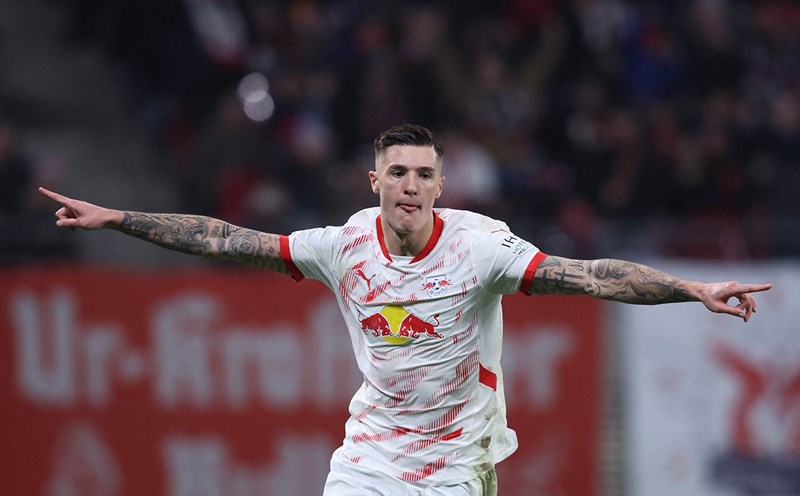
Though his life was brief, Šeško’s trajectory was remarkably bright. He promised not only goals and trophies, but also inspiration—not just to young Slovenian players hoping to break into top-flight European football, but to anyone who believed in dedication and hard work.
In reflecting on his memory, many will recall his humility: he never acted like a superstar, always spoke kindly, and seemed grounded in the awareness of his uncertain journey. In interviews, he often credited coaches, family, and support staff more than his own talent.
Slovenian youth academies have already reported that his passing will ripple across discussions about nurturing talent responsibly. His name may become a cautionary emblem of both potential and fragility.
What Comes Next
In the coming days and weeks, the following developments are expected:
- Autopsy and cause-of-death report
Medical examiners will release preliminary findings, with final results perhaps weeks later. If a congenital heart defect or other pathology is detected, it may spur reviews of athletic screening regulations. - Official statements and memorials
The club will likely host a formal memorial, possibly inviting fans to attend or leave tributes. National associations may establish permanent dedications, such as a tournament or youth award in his honor. - League scheduling and tributes
Matches may be postponed; moments of silence will occur widely. Opponents may wear black armbands or observe gestures of respect. Statues, shirts, or memorial patches might appear in seasons ahead. - Investigations into protocols
The case will be reviewed by sporting bodies, medical associations, and possibly legal experts to evaluate liability, standards of care, and preventive measures. Depending on findings, new guidelines may emerge. - Support for teammates and staff
Grief counseling, psychological support, and structured recovery plans will be critical. The abruptness of his loss may leave teammates vulnerable to emotional aftershocks.
Conclusion
The passing of Benjamin Šeško is a tragedy that transcends sport. A young life full of potential extinguished in an instant shakes the foundations of optimism in football. While clubs and associations will strive to learn lessons, no mechanical protocol can fully guard against heartbreak.
As fans, players, and nations mourn, there is a profound human story beneath all the headlines: a promising talent, a family’s grief, and a community’s effort to grapple with the fragility of life itself.
Though gone too soon, Benjamin’s name will endure—not just in memory, but in every effort to make the beautiful game safer, more caring, and more humane. May he rest in peace.


Comments
Post a Comment